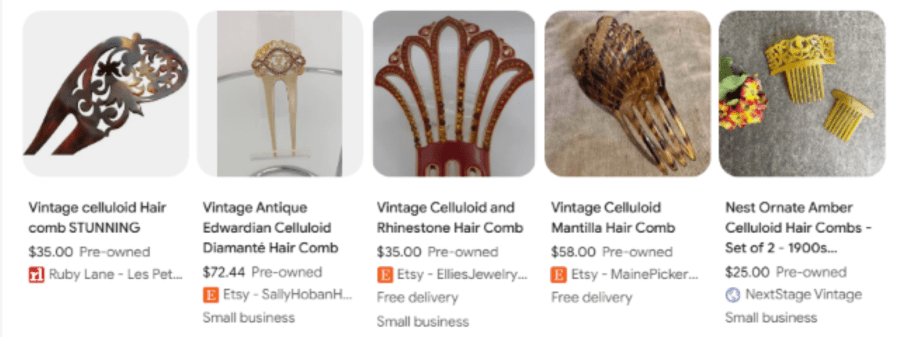
. . .the closer to God?
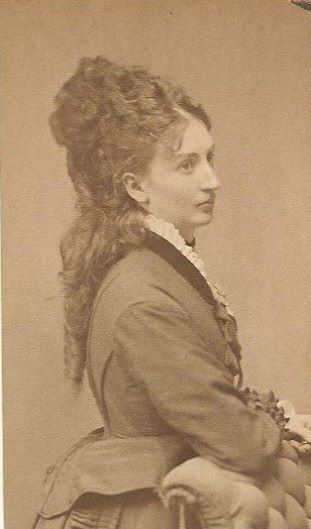
“The higher the hair, the closer to God” is a quote that has been attributed to Dolly Parton, though I couldn’t find anything online to confirm that she was actually the first to coin the phrase. Apparently, a lot of Victorian ladies were able to get pretty “close to God”, (albeit with the help of rats and hair switches) and in this post, we’ll be taking a look at some of them.
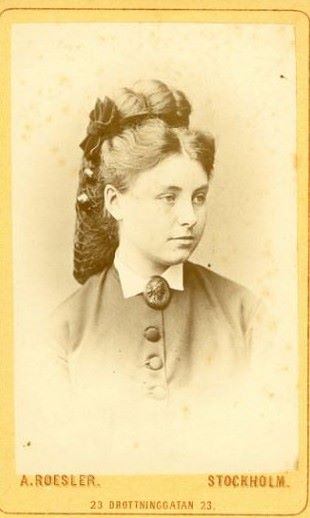
In “Bait and Switch”, I wrote about the “hair switch”, which, previously unbeknownst to me, helped many Victorian women achieve these styles. I had really believed, prior to researching for that post, that women in the Victorian era just had better hair than we do today.

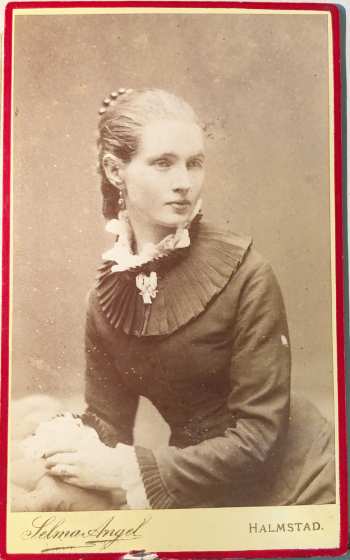
This lovely lady from Swedish Roots was identified simply as “Mrs. Udvall”. She looks almost too young to be married, but a lot of people did marry at an earlier age than they do now. Did Mrs. Udvall do her own hair, or did someone do it for her? Was it styled expressly for this portrait, or was it her usual “look”?

How did they do this all without hairspray? I found this fascinating article by Mimi Matthews about the different hair products Victorian and Edwardian women used. There was a lot written about hair styling waxes, pomades and a gum solution known as bandoline in Godey’s Lady’s Book.

These products could be bought at perfumeries, but there were also recipes so you could make your own at home. I found a blog called “Sew Historically” that has a post with various recipes for bandoline from 1874 to 1911. They all involve boiling quince seed in water, and if you’re like me and have never seen a quince seed, she even has photos.


I found these recipes for different hair curling solutions from the 1891 Chattanooga, Daily Times on Newpapers.com. The last one talks about “mucilage of quince seed” being used as a bandoline.
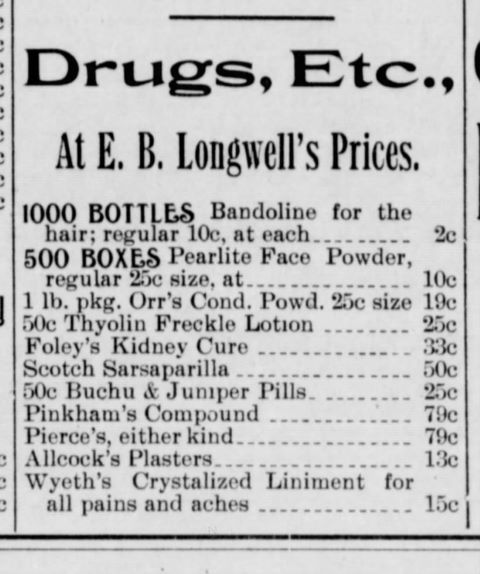
If you didn’t want to make your own, you could buy “bandoline for the hair”, on sale for two cents a bottle at E. B. Longwell’s drugstore in Paw Paw, Michigan. Since he claimed to have 1,000 bottles, it’s doubtful they would have run out by the time you got there.
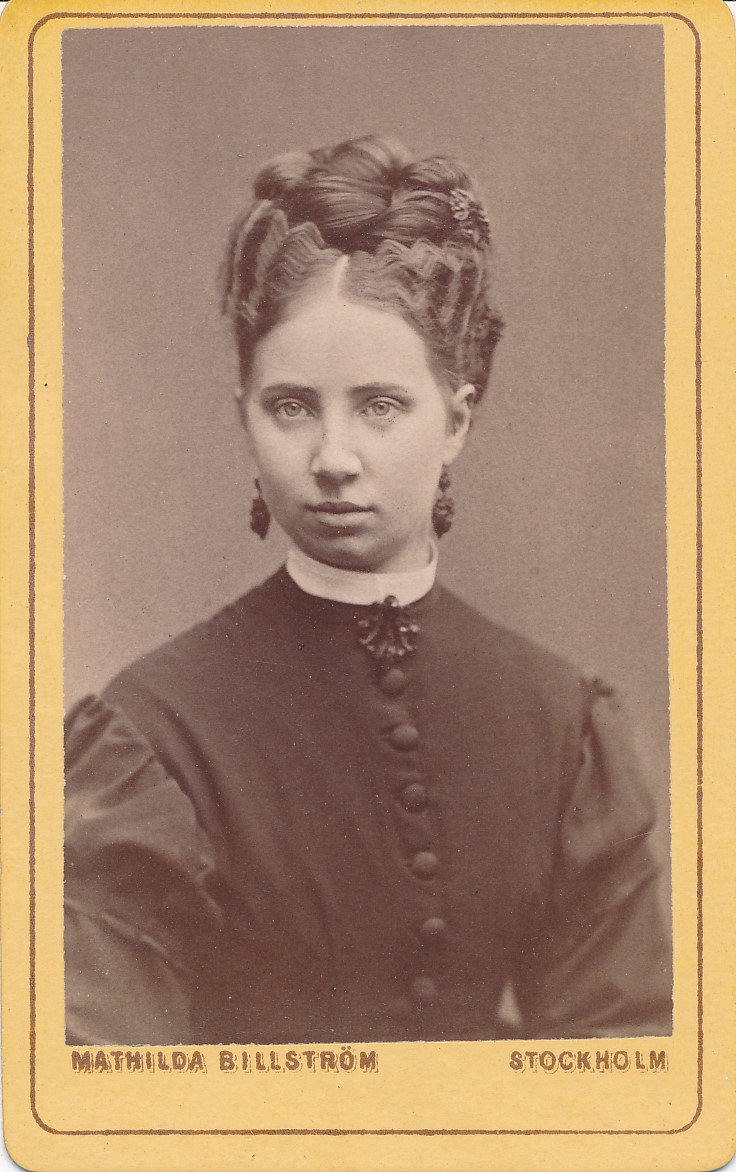

There are a few similarities between these two, the most notable being the high collars, dangly earrings, and the buttons on their dresses. Even in the black and white photos, we can see that the woman on the left had blue eyes, and the one on the right had brown. She also has a decorative comb in her hair. Remember that, because you’ll read more about Victorian hair accessories later in this post.


Although there was no name given for either of these ladies on the Swedish Roots website, the photo on the left was labeled “Christmas Eve, 1872”. I’m thinking that the photography studio would have been closed on Christmas Eve, so maybe the photo was given to someone on that day. You’ll notice they each have a similar collar, and both are wearing some type of brooch.

I found this lady from Budapest on Pinterest. I do have to wonder if that’s all her real hair.


Here are two braided styles that could very likely have included hairpieces. According to Swedish Roots, the photo on the right had the name “Santeson” on the back.
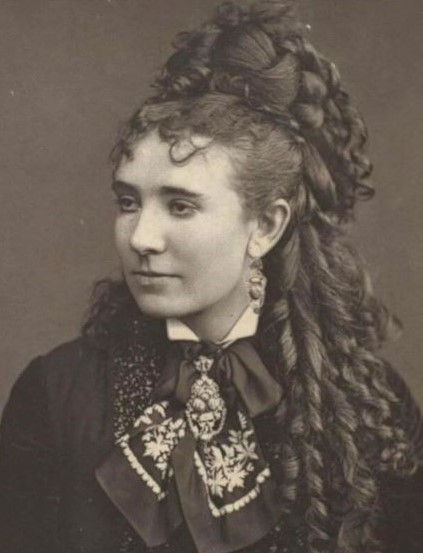
This was on Pinterest, too, but it didn’t say anything about where the photo was taken. Another possible “hair switch”, and how much bandoline did she have to put on it just to keep the curls in place? For that matter, how did they get curls like that anyway? If you’ve read “Little Women”, you know that Jo accidentally singed Meg’s hair with curling tongs that she either overheated or left in too long. For some reason I still remember Meg’s reaction, which was something to the effect of, “It serves me right for trying to be fine”. Mimi Matthews has this informative article on Victorian hair curling.


These hairstyles are a bit less flamboyant than some, but I think they are really pretty.

When I saw this 1908 hair accessory ad I immediately looked up “dressing combs”. Based on the results, it seems that the term referred to decorative combs to be worn in the hair, not necessarily regular combs for combing. Naturally I wanted more information for this post, and more searches led me to this fascinating article on an equally fascinating website called “Recollections”.
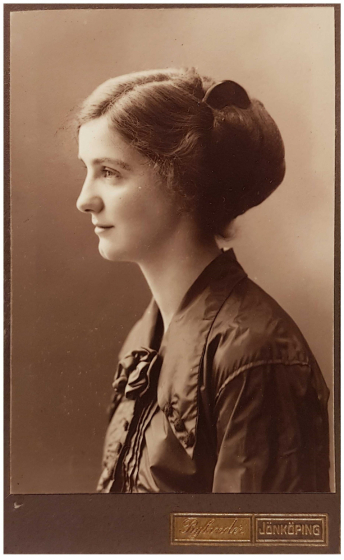
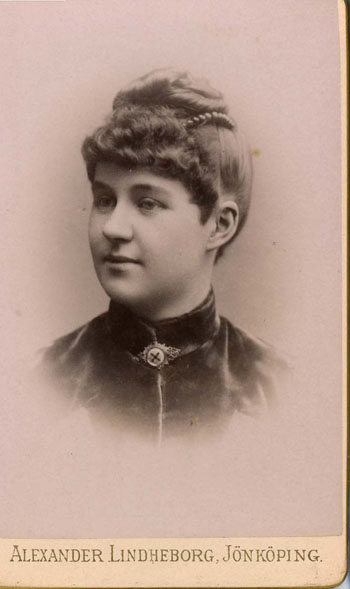
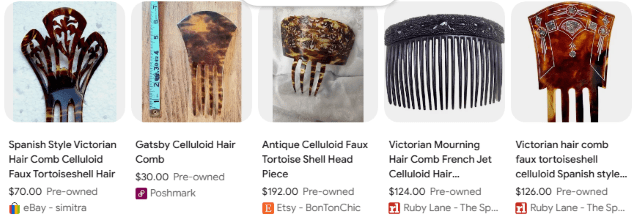
I also found that you can buy Victorian era hair combs on eBay and Etsy, for a variety of prices. If they were made from genuine tortoise shell, ivory, or metal, you were good, however if they were imitations made of celluloid, you could have a problem.

Apparently, the celluloid used in making “faux shell” combs was extremely flammable. If it got too close to a fireplace, stove, or other heat source, a celluloid comb could burst into flames. A search of Newspapers.com pulled up quite a few articles about this, with the combs igniting due to everything from someone sleeping too close to a campfire to a little boy playing with his sister’s comb too near the stove. Below are links to a few of the harrowing articles I found.
A teacher’s hair burned by celluloid comb
Girl sleeping too close to a campfire
Girl working under electric light
Woman sitting too near a stove

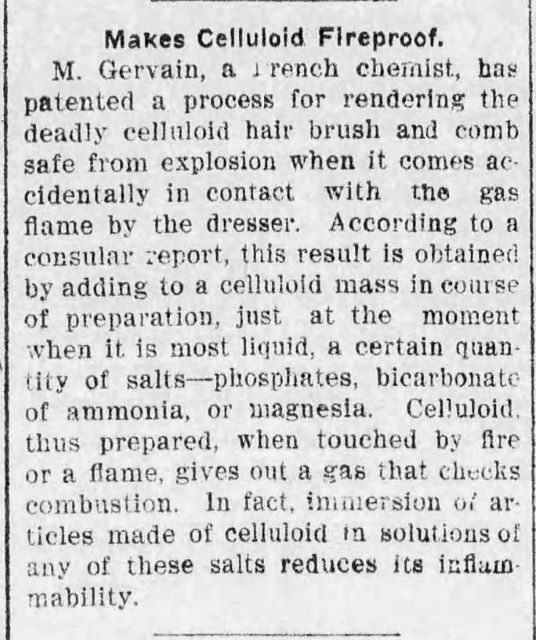
There was even an article from 1902 that quoted a doctor who warned women of the dangers of celluloid combs. By 1907, a French scientist had invented a way to make celluloid fireproof, so, thank goodness for modern technology.

In my family photos, I haven’t seen anyone with a hair comb, or even a high hairdo, except maybe “Johanna the Dressmaker”, but I’m not even sure she was a relation and not just a family friend. I don’t see a comb in her hair, but that doesn’t mean she didn’t have one in the back. Or that she didn’t have some at home on her dresser.

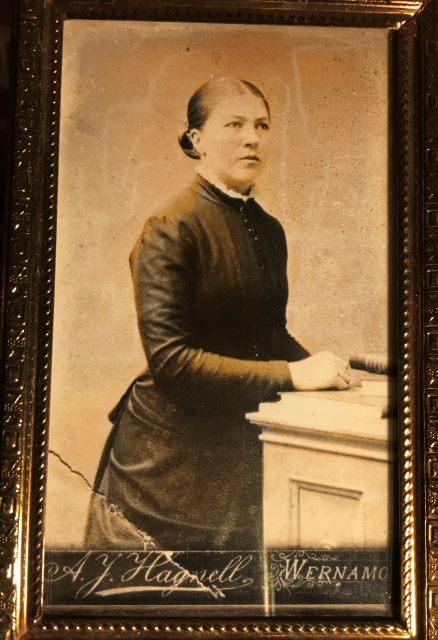
Most of my female ancestors in the 1800s (like Marie Anderson on the left and Petronella Peterson on the right), can be seen with their hair parted in the middle and pulled back tightly in a rather severe bun. Whether it was because they didn’t have the money or the time to “mess with” their hair, or if they were just “no nonsense” Swedes and Danes who felt all that was frivolous and unnecessary, I have no clue. It was probably a combination of all those reasons, and maybe even more.
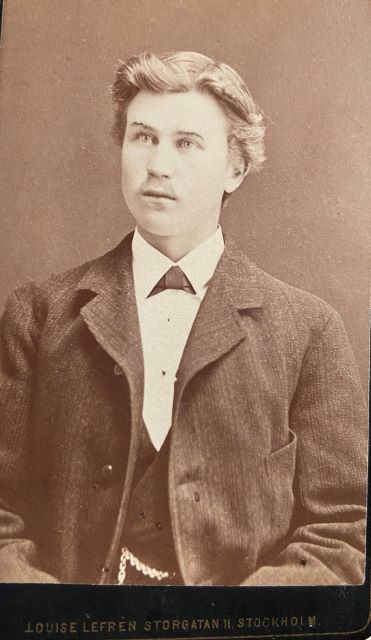

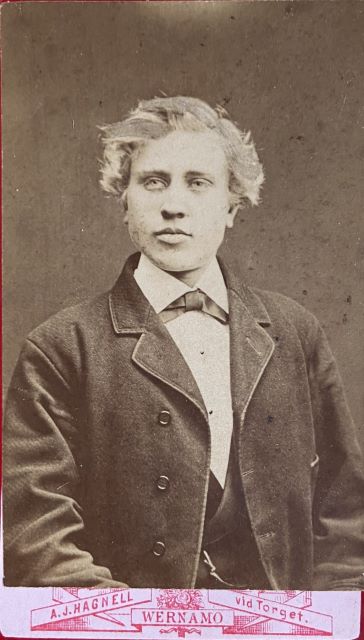
In fact, some of these men in my family’s past (most likely Petronella’s brothers) seemed to do more with their hair than the women! Which is another whole post in itself.
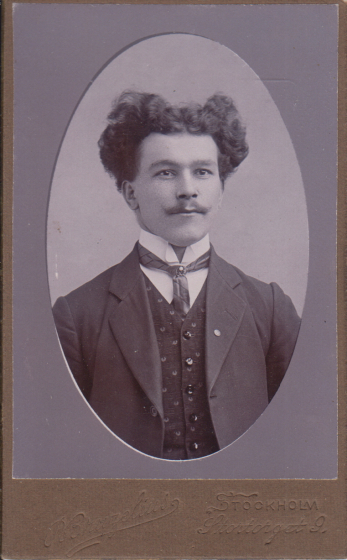


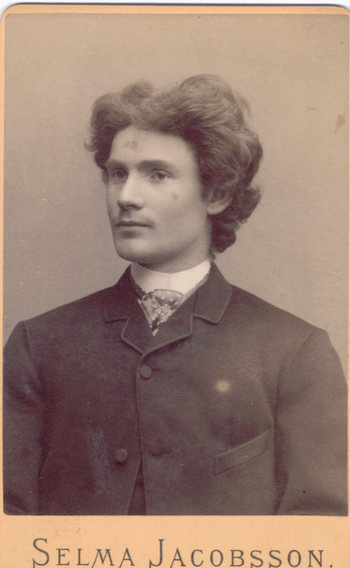
And don’t worry, because I’ve got plenty of material for that one, too!
Note: Unless otherwise stated, the CDV portraits in this post are from the Swedish Roots website.
 Nana's Whimsical World
love all that hair Info wow
I find it so fascinating!😀
What can I say? I could never compete with the men.
😂
Oh wow, that was interesting… who knew about things that singed and worse!
I know, right? I’m also thinking that if their scalp was burned, their hair wouldn’t grow back in that area afterwards!😱
The hairpeaces were really artistic. Love’m but woudln’t want to have’m 😁
I agree! What if it was a windy day and they came off? 😱
🤣
Fascinating post! Hair has certainly always been an interesting topic. I’m happy not to have to work so hard as some of these women (or their maids) putting together a stylish hairdo with all of that hair… Some of it looks very heavy! And then all that hair on fire because of a celluloid comb – what horror!
Thanks! I’ve always been fascinated by this kind of stuff too. With their hair being heavy and their clothes being heavy, they probably weighed much more on a scale than they actually did!😬
That is probably right! I noticed one can feel the difference in hair weight just by having a haircut, and then it’s not nearly as much hair as they were carrying around 😁 They must have had strong necks 😂
Beautiful hairstyles!
I agree! 😀
Hi Debbie, If I leave my hair in a ponytail too long, my head begins to hurt.  I can’t imagine wearing such fancy hair! I have a friend who wears her hair high all the time, and she’s beginning to loose her hair from the clips she uses. I tried leaving a comment on the website, but it wouldn’t let me.Love,Eileen  Mark and I with out GrandkidsAlrik (9), Mark, Me, Matilda (7) and Buddy (14)Alrik and Matilda belong to Erin and Daniel, who live in Castro ValleyBuddy belongs to Sean and Victoria, who live in Grass ValleyPatrick and Carrie, who also live in Grass Valley, don’t have any kidsKendra and Jeremy, who live in Berlin, Germany, don’t have any kids
Sean, Victoria, Patrick, Carrie, Mark, Buddy, Eileen, Matilda, Erin, Daniel and Alrik
Kendra and Jeremy, whi
Hi Eileen! Your comment came through, just with “bananslug” as the name lol. All those hairclips must have been a pain though. After having chemo, I’m just glad to have hair at all! 😂